Masque or Counter?
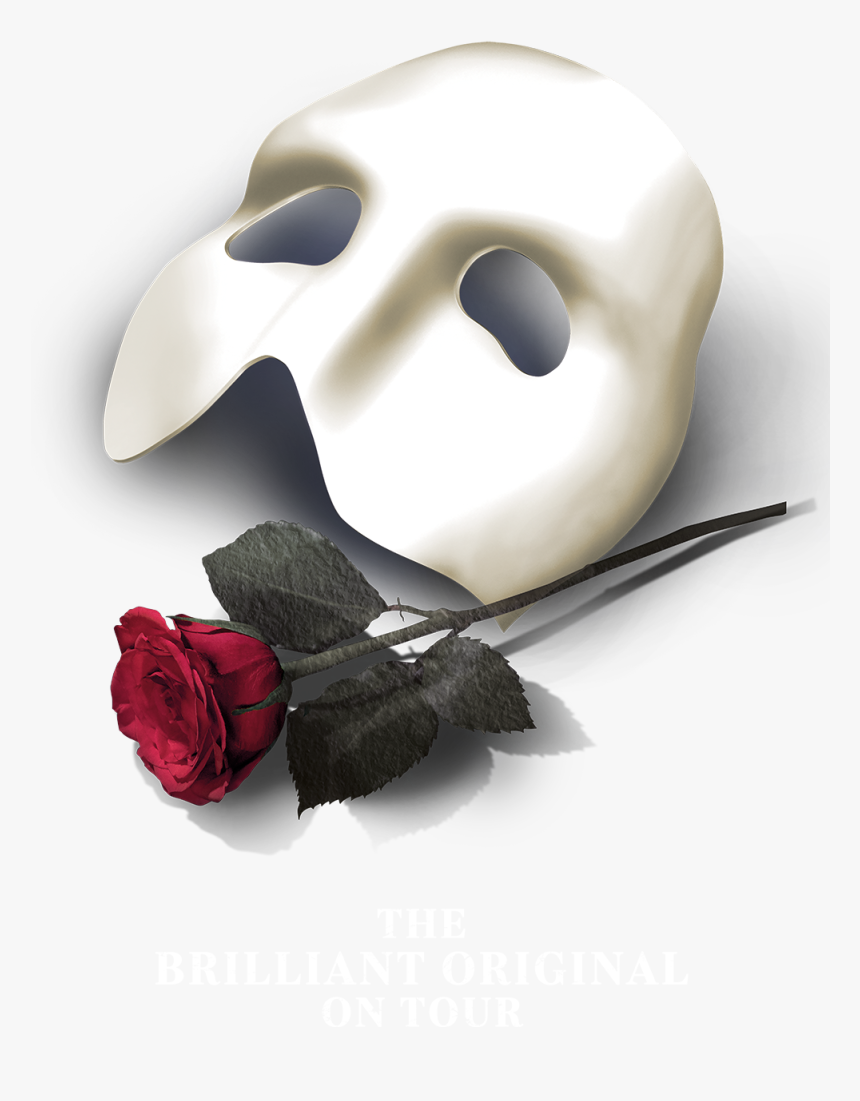
One of the seminal films that shaped my growing imagination as a teenager was the 2004 film The Phantom of the Opera. I was captivated by the music, the complex relationships between the characters, and the magic that is that marvel we call the theater. One of the most ancient and most important tools of the theater — and the object and symbol on which The Phantom of the Opera rides — is the mask.
While many characters wear a mask — literal or figurative — in Phantom of the Opera, the most prominent mask is of course the one worn by the Phantom himself. The Phantom's mask is not a mere accessory; it is an entire hermeneutic. The masked Phantom is a whole identity, one that is not entirely the same, nor even entirely consonant with, the unmasked man. The masked Phantom is the genius, the master of music, the architect, the lover; the unmasked Phantom is a murderer, an abductor, a freak — simply put, a monster. Yet this is all one man: the Phantom is both genius and deformed, both lover and monster. His mask plays an essential role not just in our understanding of the Phantom but also in his understanding of himself.
Masks, roles, play — these are tools of theater, but they are so because they are tools with which human beings reach a deeper understanding of themselves. The plays of the ancient Greeks, for instance, were not mere entertainment; they were explorations of human nature and means of understanding and catharsis. Even today, the richest of modern "entertainment" — books, films, and even video games — is art woven through with themes intrinsically linked to human nature, resonating to the deepest chords of the cares of the human heart.
"No mask was made to be worn forever."
— Rosemar AvelynMost people "play at" roles in their day-to-day lives. One puts on the mask or role of the working professional and removes it upon leaving the office, then commutes home and assumes the role of husband, wife, parent. Some roles feel natural; others entirely alien. The Bard understood this dynamic very well:
"All the world's a stage,
And all the men and women merely players;
They have their exits and their entrances,
And one man in his time plays many parts."
It is important that, whatever roles one plays and however enjoyable those roles may be, they should not become a crutch to one's identity nor an excuse not to humbly exercise authentic self-possession and self-expression. If they do, one may very quickly cease to be really oneself, and the self one shares with God and others will not really be the true self at all, but only a mask (cf. Person and Being, 68–70). No mask was made to be worn forever.
At some point, the Phantom must have his own mask removed by Christine. At some point, Sleeping Beauty must be kissed by the Prince.* Real self-discovery, true abundant life in Christ can only happen in relationship with God and with others. Her compassion, accompanied by prayer, enables the Phantom not only to release Raoul and Christine to each other but also to release himself from the prison of mask and mirror he had built for himself out of self-protection and self-loathing.
Love of God and love of neighbor are the two indispensable keys to unlocking the secret of a truly abundant life. Clarke calls the act of communion with another "the law of being itself" (Person and Being, 82). Love is not only a theological principle explored by St. John; it is the core metaphysical truth that runs through all levels of being.
To be simple is to be without parts — that is, to be undivided in one's being. The simpler one is, the more integrated one can be as a human being, the less one "plays at" roles. When a role becomes "one" with our person, it becomes less a role than a title, less a part we play than a name which forms a part of our name. Thus we call Our Lady "Mary"; "Mother of God"; and "Coredemptrix" — not because these were mere roles she played, but because this is who she is.
Whatever one's roles, they should be in service of living abundantly and fully in the Life that is at once our Source and our End. Clarke puts it succinctly: "To be an actualized human person, then, is to be a lover" (Person and Being, 76).
* Clarke uses the fairy tale of Sleeping Beauty multiple times in his work to highlight the human being's need for another person to wake himself up to himself (cf. Person and Being, 45, 65).
Works Cited
Shakespeare, William. As You Like It. Penguin Books, 2002.
W. Norris Clarke, S.J. Person and Being. Marquette University Press, 2008.